
"station red"
900 article(s) found
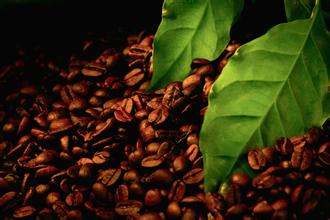
History of coffee in Rwanda
In 1999, 220 coffee growers formed guilds in the Malaba area (formerly part of Butare province) to address the disease. Among the guild members, many farmers were separated from their loved ones by the 1994 mass massacre, while some husbands were jailed or were taken to the traditional Gacaca Court (gacaca) to face trial on charges of participating in the massacre. They named the guild Abauza.

South Korean Zoo Coffee stationed in Kunming to have coffee with small animals
Opening of Zoo Coffee flagship store in Yunnan (Reporter Bi Xun) Zoo Coffee, a Korean-themed coffee chain popular with Korean fans and infatuated by runners, entered Kunming and officially opened its flagship store in South Asia on December 21. Compared with the simplicity of Starbucks and other coffee shops, Zoo Coffee focuses on returning to nature in animal concentration camps. The decoration of the store is mainly made of wood.

Let's go! Nordic Coffee car Wheelys 3 Travel drinks must be fresh
The exchange of professional baristas please follow the coffee workshop (Wechat official account cafe_style) Wheelys Caf, a green energy coffee car from northern Europe, has been talking about ever since its debut, raising topics on the TLC picnic day and attracting the attention of young micro-entrepreneurial groups to join us. From May 15th, we will join hands with Taiwan's century-old cakes and cakes to enjoy all kinds of food and beverages in Taipei Station A1, the new dessert store and the airport express.
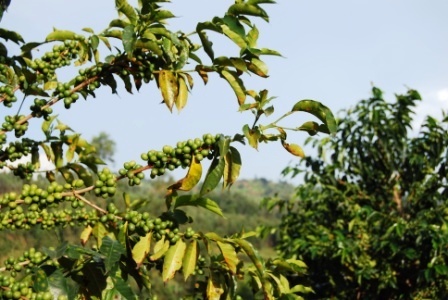
The flavor of red apple and cherry fruit washed by Muxiui treatment plant in western Rwanda
Rwanda can be said to be a fast-growing boutique coffee producer in East Africa recently. Apart from the vivid memories of its sad story of the Luanda Holocaust, the quality of its boutique coffee has also improved very rapidly. This year, we have tested several fresh, very beautiful and elegant acids worthy of Rwanda. Like many African countries, Rwandan coffee is mainly produced by small farmers every year.

El Salvador Coffee Manor producing area Santa Ana Volcano area-Kuskabapa region
Anny is the second generation of LOMA LA GLORIA's estate, and her father bought the estate on the volcanic slope (El Boqueron). Before 2012, Anny's father managed the estate on his own, and all the products were picked and sent to the washing station. In 2012, Anny returned to the manor and had planned to open a cafe downtown. After consideration, she began to take over the estate.

Yega Xuefei AT processing Plant Sidamo AD processing Plant introduces what is the Red Cherry Project?
Professional coffee knowledge exchange more coffee bean information please follow the coffee workshop (Wechat official account cafe_style) Yega area-A.T. Treatment field (Alemayehu Tilahuns washing station) A.T. "Coffee is my life," said Alemayehu, the owner of the Gedeb district of Yegashev, at an altitude of 1700-2200m.

Rwanda wash bourbon taste fragrance Rwanda coffee type and price
Professional baristas please follow the coffee workshop (Wechat official account cafe_style) Rwanda coffee, like many African countries, is mainly produced by small farmers, and the ripe coffee cherries are collected and sent to the processing station for processing every year at harvest time. During the annual harvest period, the ripe coffee berries picked by farmers are concentrated at the treatment station for treatment. they are first selected by hand to ensure that there is no immaturity.

Taste and flavor of Rwanda washed bourbon coffee characteristics of Rwanda washed bourbon
Professional baristas please follow the coffee workshop (Wechat official account cafe_style) Rwanda coffee, like many African countries, is mainly produced by small farmers, and the ripe coffee cherries are collected and sent to the processing station for processing every year at harvest time. During the annual harvest period, the ripe coffee berries picked by farmers are concentrated at the treatment station for treatment. they are first selected by hand to ensure that there is no immaturity.

Ethiopia Yega Snow Coffee Holsey all Red Honey Coffee Flavor Taste how to deal with Yega
Professional coffee knowledge exchange more coffee bean information please follow the coffee workshop (Wechat official account cafe_style) Ethiopian coffee Yega Xuefei Garse processing plant (Ethiopia Yirgacheffe Garse Sation G1 N) flavor description: rare pineapple flavor, very much like pineapple ice in a small shop in front of a primary school. Due to too much Rain Water in the early stage, it led to a new birth.

Yega Shirley Felix Coffee Bean processing Plant featuring Red Cherry Project Coffee beans
Rico Coffee Bean processing Plant is located in the town of Cochel, which is in the Yega Sheffield area, and because of this, its coffee has a charming floral flavor. The name Reko comes from the steep Reko mountain on the Cochel hill. Reko has the meaning of challenge in the original text of Ethiopia. It brings out the meaning that it is not easy to climb Mount Reko.

Unique acidity and taste characteristics of Kenyan Jinchugu coffee varieties introduction to the flavor of boutique coffee beans in the manor
Enbu processing Plant (Embu Washing Station), which comes from Gichugu, adopts Kenyan double washing method and grows in Manyata-Enbu County on the eastern slope of the Kenyan Mountains from 1550 to 1750. The variety is Kenya's classic SL28,SL34, coupled with the large temperature difference between day and night in the deceived area, and the red phosphoric acid soil in Kenya, which makes the sour and sweet become the second order of this Kenyan branch.
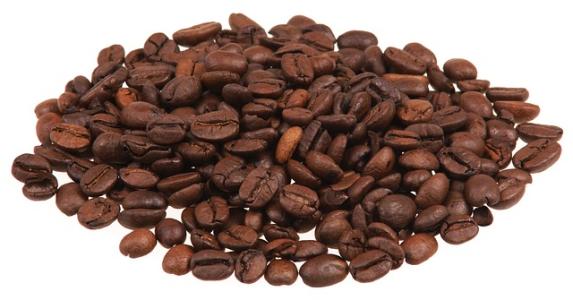
An introduction to the Historical Origin of Malaba Coffee in Rwanda
Following caf é (Wechat official account vdailycom) found that Malaba Coffee, Rwanda Malaba Coffee (Rwandan: Ikawa ya Maraba, French: Caf de Maraba) is a fair trade certified coffee grown in Malaba area of southern Rwanda. The coffee crop of Malaba is a bourbon variety of Arabica species.

Boutique coffee Rwanda coffee origin Rwanda coffee practice
Rwandans have been growing coffee since colonial times, but until 1999, its products were still classified as below Class C and were not popular in the global market. The reason for the poor quality is that farmers do not have a fixed procedure for washing coffee beans and do not process coffee fruits according to specifications in time. Buyers buy coffee beans at $0.33 per kilogram, and farmers keep warm by the meagre profits earned at low prices.
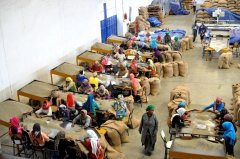
Sidamo, Ethiopia Sunshine [Sakui] Micro-production area Hambella Humbela Manor Shengshi Village
For more information on coffee beans, please follow coffee workshops (Wechat official account cafe_style) according to the Ethiopian decree, there are three coffee export systems, (1) the largest privately owned processing plant system for export through competitive ECX, (2) the cooperative system, and (3) the single farm system. In these three systems, cooperatives and single estates do not need to pass through ECX

Introduction to the flavor and taste of the strong and sour coffee plantation in Jinchu Valley, Kenya.
Kenya comes from the Enbu processing Plant (Embu Washing Station) in the Gichugu producing area. It grows in Manyata-Enbu County on the eastern slopes of the Kenyan Mountains from 1550 to 1750. The variety is Kenya's classic SL28,SL34, coupled with the large temperature difference between day and night in the deceived area, and the red phosphate soil in Kenya, which makes the sweet and sour become this Kenyan.
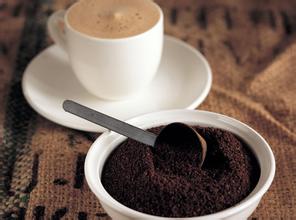
Fine coffee Rwanda Coffee characteristics introduction to Rwanda Coffee
Rwandans have been growing coffee since colonial times, but until 1999, its products were still classified as below Class C and were not popular in the global market. The reason for the poor quality is that farmers do not have a fixed procedure for washing coffee beans and do not process coffee fruits according to specifications in time. Buyers buy coffee beans at $0.33 per kilogram, and farmers keep warm by the meagre profits earned at low prices.

Fine coffee Rwanda coffee manor Rwanda coffee producing area
Rwandans have been growing coffee since colonial times, but until 1999, its products were still classified as below Class C and were not popular in the global market. The reason for the poor quality is that farmers do not have a fixed procedure for washing coffee beans and do not process coffee fruits according to specifications in time. Buyers buy coffee beans at $0.33 per kilogram, and farmers keep warm by the meagre profits earned at low prices.
Ethiopian coffee trading system, coffee raw beans Sidamo sun [Sakuran] export system
According to the Ethiopian decree, there are three coffee export systems: (1) the largest private processing plant system that has been exported through ECX bidding; (2) the cooperative system; and (3) the single farm system. In these three systems, cooperatives and single manors can be exported directly without competitive bidding through ECX, which can be said to have completely reliable traceability / product resumes (traceability).

The story of returning to the origin of the original rose summer_Ethiopia Yejia Shefei Jinlana processing station coffee beans
Ethiopia Yirgacheffe Gelana Station Natural Geisha Coffee Ethiopia Yirgacheffe Gelana Station Natural Geisha Coffee Ethiopia Yirgacheffe Gelana Station Natural Geisha Coffee Ethiopia Yirgacheffe Gelana Station Natural Geisha Coffee Ethiopia Yirgacheffe Gelana Station Special batch of coffee beans

Is the Ethiopian Rose Summer Coffee good in the 2018 New season? Yega Xuefei Jinlana processing Station
Professional coffee knowledge exchange more coffee bean information please follow Coffee Workshop (Wechat official account cafe_style) 2018 New season Ethiopian Coffee-Yega Xuefei Jinlana processing Station Sun Rose Summer Coffee this year is the Rose Summer Coffee from Jinlana processing Station in Yega Snow Coffee production area. As a rare variety, it is enough to attract my attention, but the most